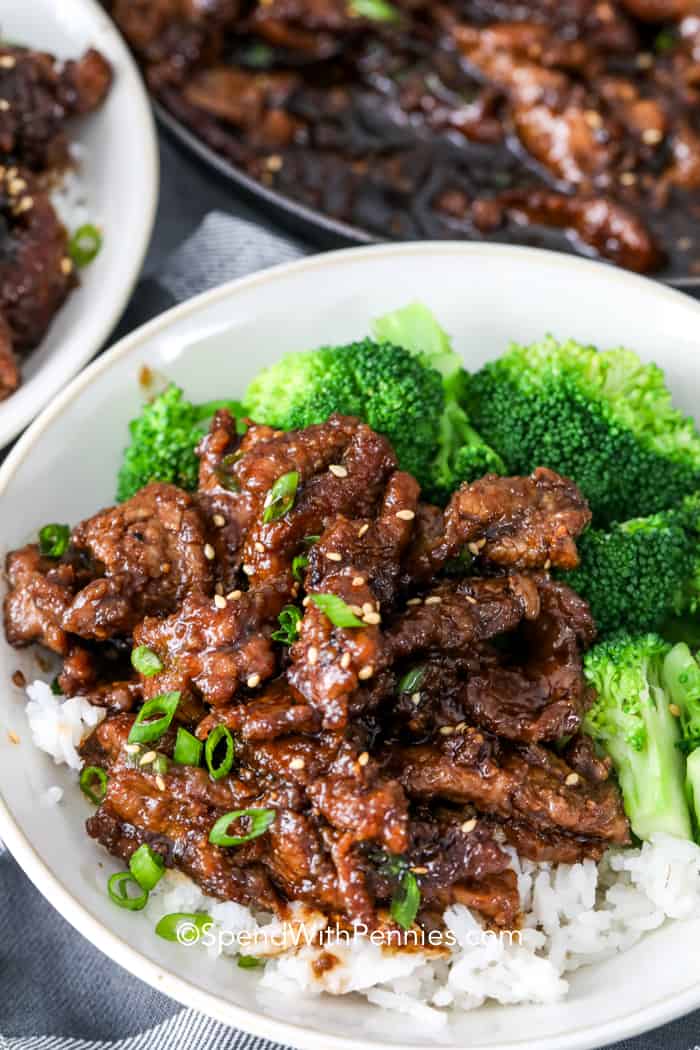
Better Than P.F. Chang's: Perfect Homemade Mongolian Beef
Craving that irresistible sweet and savory glazed beef but find restaurant versions a little too... much? You're not alone. While P.F. Chang's Mongolian Beef has captivated taste buds for years, many home cooks and culinary enthusiasts agree that it often errs on the side of excessive sweetness and oiliness. Imagine a version where every bite offers perfectly tender, crispy-edged beef bathed in a rich, deeply flavorful sauce that’s perfectly balanced – not cloyingly sweet, not greasy. That's precisely what you can achieve with our ultimate homemade
mongolian beef recipe, designed to surpass your takeout expectations and redefine your family favorites.
This isn't just another stir-fry; it's a culinary journey to recreate and improve upon a beloved dish, making it truly your own. Since its initial debut on popular food blogs years ago, the homemade
mongolian beef recipe has become a phenomenon, proving that the best version of this Chinese-American classic is often found right in your own kitchen.
The Myth of Mongolian Beef: A Culinary Journey (and Misnomer)
Before we dive into the delicious details, let's clear up a common misconception: Mongolian Beef is about as Mongolian as General Tso's Chicken is a staple in Hunan. Despite its evocative name, this dish has virtually no ties to authentic Mongolian cuisine, where traditional cooking often involves boiling meat and serving it with simple dips, far from the dynamic stir-frying and complex sauces we associate with the dish.
So, what are its true origins? Most culinary historians and food enthusiasts agree it's a brilliant invention of Chinese-American restaurateurs and menu planners. The prevailing theory suggests it might have evolved from other popular dishes like Orange Beef, perhaps born from a chef's accidental omission of orange and a generous addition of sugar. Regardless of its exact inception, it was strategically named to appeal to Western diners, becoming a beloved fixture on menus across the globe. For a deeper dive into this fascinating culinary origin story, explore
Mongolian Beef Origin: Not Mongolian? Get Our Best Recipe. Understanding its roots helps appreciate the ingenious fusion of flavors and techniques that define this dish.
Why Homemade Trumps Takeout: Mastering the Perfect Mongolian Beef Recipe
The primary motivation for crafting your own
mongolian beef recipe often stems from a desire for control – control over ingredients, flavor profile, and ultimately, a superior dining experience. As many keen palates have noted, the P.F. Chang's version, while popular, frequently receives criticism for being excessively sweet and oily. This isn't just a subjective preference; for those accustomed to a more nuanced balance, the richness can become overwhelming. Even in cultures where sweet-savory dishes are common, like Shanghai, the consensus can be that P.F. Chang's pushes the boundaries.
By making it at home, you unlock several key advantages:
*
Tailored Sweetness: You dictate the sugar content. Our recipe significantly cuts down on the sweetness found in many restaurant versions, allowing the savory, umami notes to shine through without being overpowered.
*
Reduced Oil: You control the amount and type of oil used, ensuring a lighter, fresher finish without sacrificing the necessary texture and flavor.
*
Premium Ingredients: Select high-quality beef and fresh aromatics, elevating the overall taste and texture.
*
Cost-Effectiveness: Enjoy a restaurant-quality meal for a fraction of the price.
*
Dietary Adjustments: Easily accommodate dietary needs or preferences, such as gluten-free soy sauce or adjusting spice levels.
Our mission is to guide you in creating a
mongolian beef recipe that is perfectly balanced, featuring incredibly tender beef with delightful crispy edges, coated in a sticky, savory sauce that will have everyone asking for seconds.
Unlocking the Secrets to Truly Tender & Crispy Mongolian Beef
The magic of truly great Mongolian Beef lies in its textural contrasts: beef that's unbelievably tender on the inside, yet boasts a subtly crisp exterior, all enrobed in a luscious, sticky sauce. Achieving this takes a few crucial steps that elevate your homemade dish far beyond the ordinary.
The Magic of Marinade and Velveting
The secret weapon for unbelievably tender beef isn't just slow cooking; it's a technique called "velveting." This involves marinating the beef slices in a mixture that includes cornstarch, a neutral oil, and crucially, a tiny amount of baking soda.
- Baking Soda: This is the tenderizing star. It slightly raises the pH of the meat, breaking down muscle fibers and resulting in a melt-in-your-mouth texture. Just a small pinch makes a dramatic difference.
- Cornstarch: Beyond tenderizing, cornstarch creates a protective coating on the beef. This layer helps lock in moisture during cooking and contributes to that desirable crispy crust when seared.
- Shaoxing Wine: This Chinese cooking wine adds a depth of savory, almost nutty flavor that is irreplaceable. If you don't have it, dry sherry can be a passable substitute, though it won't be exactly the same.
- Soy Sauce & Water: These contribute flavor and ensure the beef stays moist.
Allowing the beef to marinate for at least an hour (or even overnight for maximum tenderness) ensures these ingredients work their magic. The beef should feel moist but not watery after marinating; if it looks dry, a tablespoon of extra water can fix it.
Achieving the Perfect Sear
After marinating, the beef needs to be dredged in additional cornstarch until thoroughly coated. This extra layer is key to achieving that beautiful crispy finish. The actual searing process is quick and critical:
- Hot Oil is Key: Heat a neutral oil (like grapeseed, canola, or vegetable oil) in a wok or large skillet over high heat until it's just about to smoke. This high temperature is essential for a quick, hard sear.
- Don't Overcrowd the Wok: Cook the beef in batches if necessary. Overcrowding lowers the oil's temperature, leading to steamed, rather than seared, beef. You want a single layer of beef slices for optimal crisping.
- Quick Sear: Sear the beef for just about 1 minute per side. The goal is a crispy coating, not to cook it through completely at this stage, as it will finish cooking in the sauce.
Once seared, immediately remove the beef from the wok. This preserves its crispiness and tenderness while you prepare the sauce. For more insights on achieving that delightful crunch, check out our guide on
Crispy Sticky Mongolian Beef: Irresistible 30-Minute Dinner.
Crafting the Irresistible Sticky, Savory Sauce
The sauce is the soul of any great Mongolian Beef. It needs to be sticky enough to cling to every piece of beef, yet perfectly balanced in its sweet and savory notes, with a subtle kick from aromatics.
Balancing Sweet and Savory
Our goal is to significantly reduce the cloying sweetness often found in restaurant versions. We achieve this by:
- Reduced Brown Sugar: Using a judicious amount of brown sugar, which also contributes a deeper molasses flavor compared to white sugar.
- Light and Dark Soy Sauces: Light soy sauce provides the primary salty, umami base, while dark soy sauce adds a beautiful rich color and a subtle layer of fermented sweetness and depth.
- Hot Water or Stock: Dissolving the brown sugar in hot water or stock ensures a smooth, lump-free sauce base. Beef or chicken stock can add an extra layer of richness.
Aromatic Foundation: Ginger, Garlic, and Chili
The backbone of the sauce's flavor comes from fresh aromatics, carefully sautéed to release their full potential:
- Ginger and Garlic: Freshly minced ginger and garlic are non-negotiable. They provide a pungent, warming foundation that is characteristic of many Chinese stir-fries.
- Dried Chili Peppers: For those who love a bit of heat, dried chili peppers add a wonderful spicy dimension. Break one or two in half to release more seeds and heat, or leave them whole for a milder, more aromatic contribution.
- Scallion Whites: The white parts of scallions are added early with the aromatics, lending a gentle oniony sweetness.
These aromatics are briefly stir-fried in a small amount of the reserved oil from searing the beef, building layers of flavor before the liquid sauce is added.
The Art of Thickening
Once the sauce mixture is added to the wok and brought to a simmer, it needs to be thickened to that perfect sticky consistency. This is where a cornstarch slurry comes in:
- Cornstarch Slurry: A simple mixture of cornstarch and cold water, added slowly while stirring, will thicken the sauce beautifully. Cook it until it's just thick enough to coat the back of a spoon. Be careful not to add too much at once; you can always add more if needed, but you can't easily thin it out.
Assembling Your Masterpiece: Tips for Success
With the beef seared and the sauce perfected, the final steps bring everything together into a harmonious dish that will make you forget about takeout.
*
Combine and Toss: Once the sauce has thickened, return the seared beef to the wok. Add the vibrant green parts of the scallions. Toss everything together quickly for about 30 seconds, ensuring every piece of beef is generously coated in the sticky, aromatic sauce. The residual heat will finish cooking the beef without overcooking it, preserving its tenderness.
*
Serving Suggestions: Mongolian Beef is traditionally served immediately over steaming hot white rice, allowing the sauce to meld beautifully with the grains. It also pairs wonderfully with fried rice, lo mein noodles, or a side of steamed vegetables like broccoli or snap peas for a complete meal.
*
Ingredient Swaps & Adjustments:
*
Beef Cut: While flank steak is classic, skirt steak or even sirloin can be used, ensuring they are thinly sliced against the grain.
*
Spice Level: Easily adjust the heat by adding more or fewer dried chilies, or a pinch of red pepper flakes.
*
Vegetables: Feel free to add thinly sliced carrots, bell peppers, or onions to the stir-fry alongside the beef for added nutrition and texture.
*
Make-Ahead & Storage: While best enjoyed fresh, leftovers can be stored in an airtight container in the refrigerator for 2-3 days. Reheat gently on the stovetop or in the microwave, adding a splash of water if the sauce has become too thick.
There's immense satisfaction in creating a dish at home that rivals, and often surpasses, your favorite restaurant versions. Our
mongolian beef recipe offers not just a meal, but an experience – one where the perfect balance of flavors and textures is entirely in your control. The rich, savory sauce, the tender yet crispy beef, and the fragrant aromatics all come together to create a dish that is truly better than P.F. Chang's. Dive in, experiment with the techniques, and discover your new go-to weeknight dinner!